
God’s symbols belong to Him and to His people. They are constantly at work in the world, including the world of film, music, painting, architecture, and other artforms. You cannot escape God’s symbols or the meaning He has woven into the created order.
Artists use and borrow God’s symbols, whether they are Christians or not, and the Church would benefit greatly from learning to see them. To be clear: if a non-Christian uses Christian symbols, it does not matter whether this is done intentionally. These things belong to God and to the Church. We rule the world; they do not rule us. Such symbols and images can be used either for good or for evil, for revealing truth or for concealing it.
A simple example is the use of water in film. Pay attention to water crossings, water applied, rain, even snow. These moments often function as narrative hinges, marking death, cleansing, or a kind of new birth. Think, for instance, of the river crossing near the end of 1917.
Biblical symbols will not be used perfectly by fallen man. Often they will overlap with other symbols (which is good), but they will also frequently be distorted or incomplete in some way.
Here are a few fun examples from Home Alone. This is far from exhaustive, and I have not even touched on the film’s excellent use of music or color, both of which are doing other symbolic work.
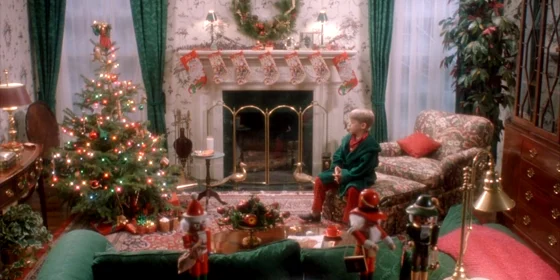
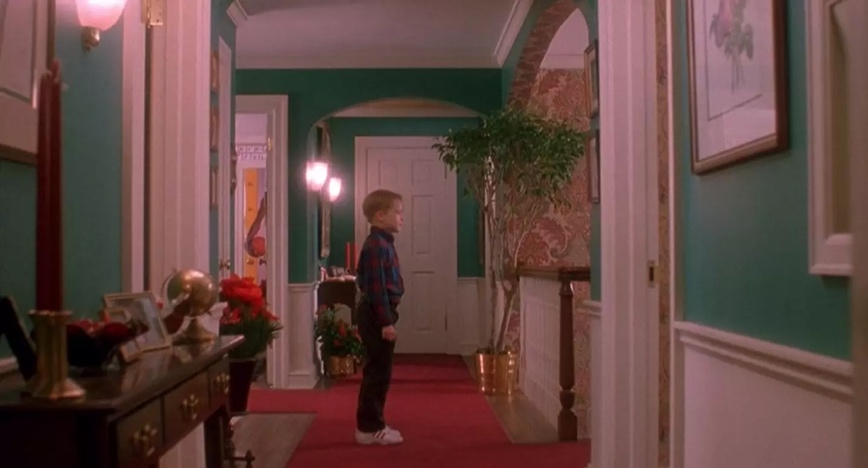
Kevin’s house is filled with trees, plants, and paintings of shrubbery, like a garden.
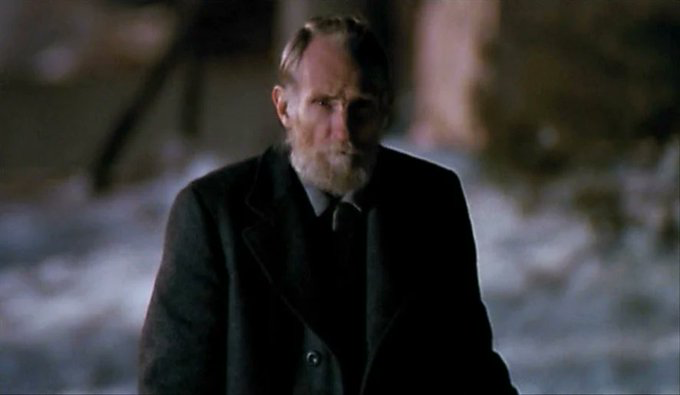
The old man, Marley, is said to be walking the streets, salting the earth.
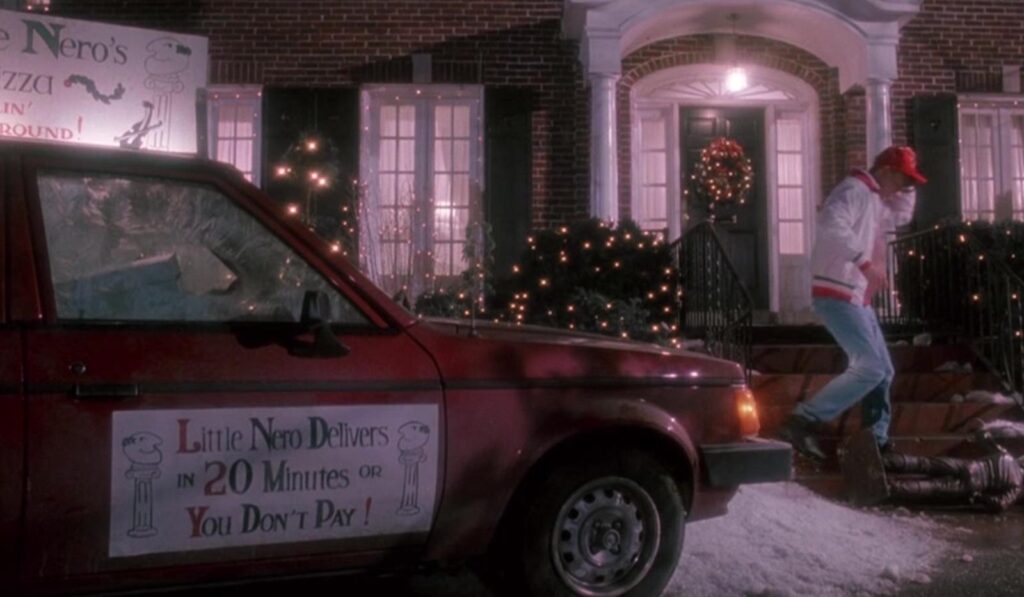
The statue in front of the child’s house is knocked over four times in the film. The first and last time are by Little Nero’s Pizza. Little Nero does little damage to the house of the child.
Kevin is left by his parents in his father’s house by mistake. We’ve seen that before.

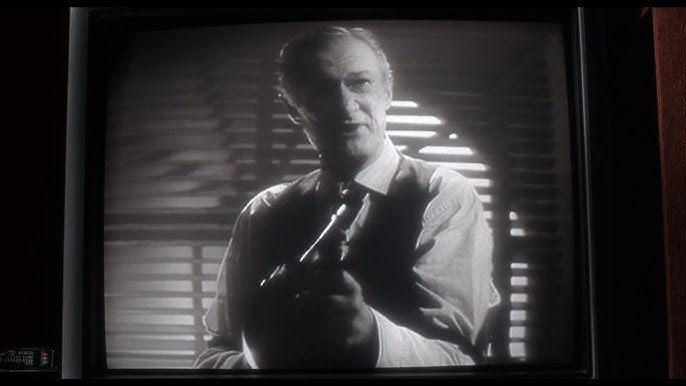
Kevin watches the fictional gangster film Angels with Filthy Souls, which prefigures what’s going to happen to Kevin’s enemies when they mess with the wrong guy. The gangster who gets murdered? His name is Snakes.
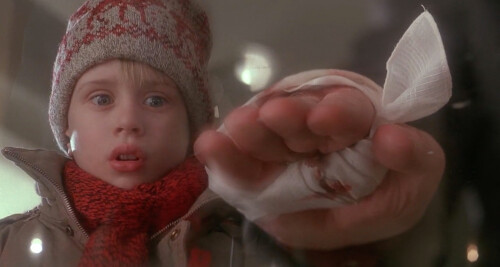
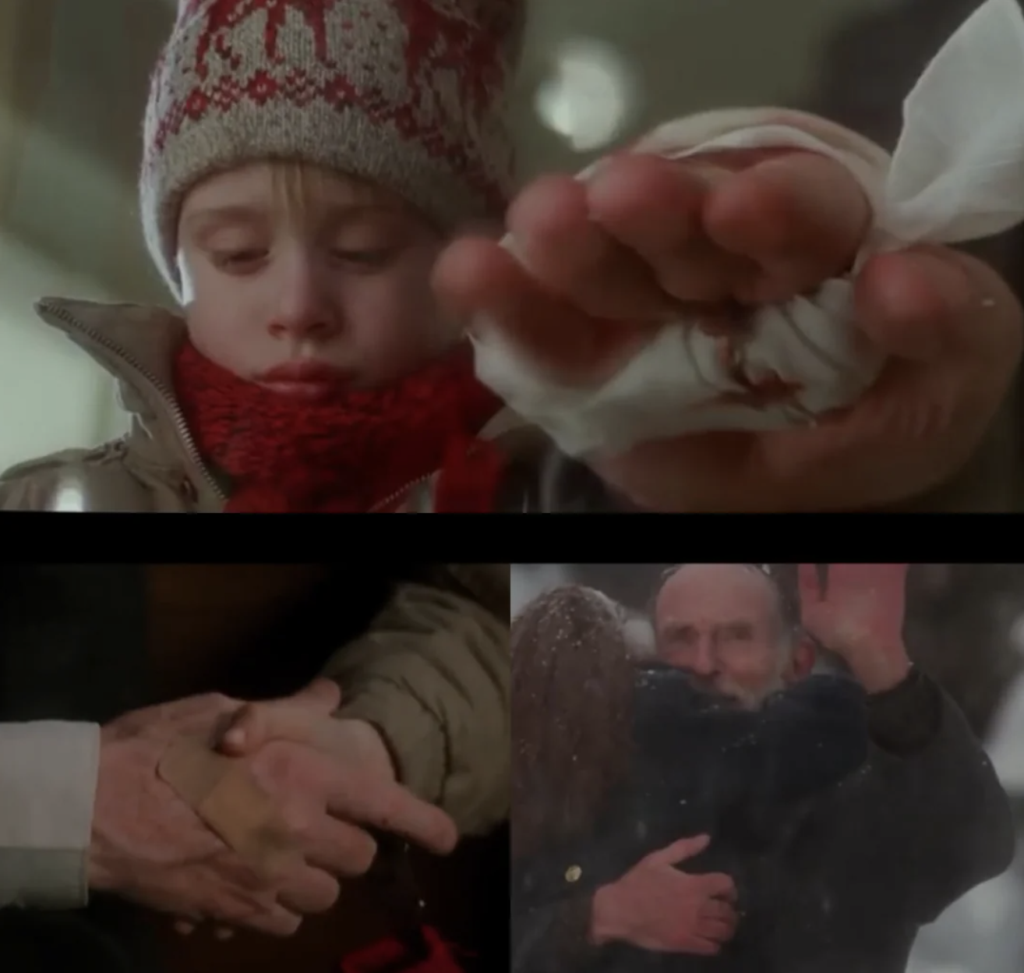
The old man, a savior-to-be, has a hand wound.
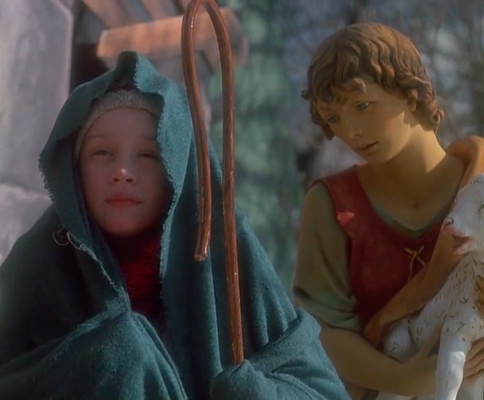
Kevin hides from his enemies disguised as a shepherd at the manger of Christ. Beside him is a lamb.
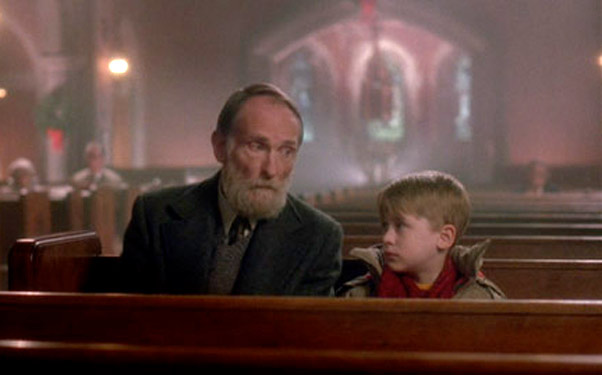
A major hinge in the film is Kevin going, again, to the church. This time he repents.
After this, everything changes. From here on out, he’s on a mission to defeat the enemy. The child will win.
“Fall on your knees,” the choir sings.
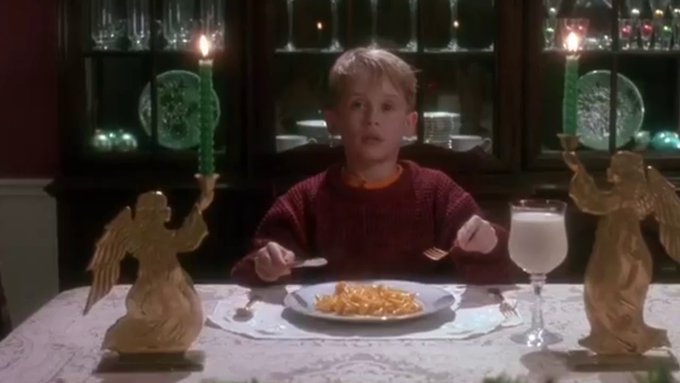
Kevin is placed between two flaming cherubim for his final meal. Flaming cherubim were placed at the garden of Eden, and cherubim show up on the altar of sacrifice (fire) as well. Kevin is about to lay his life down for his family and his father’s house. “This is my house, I have to defend it.”
He prays before his meal, but doesn’t get to eat it, as the enemies show up. They will be defeated by prayer and fasting.
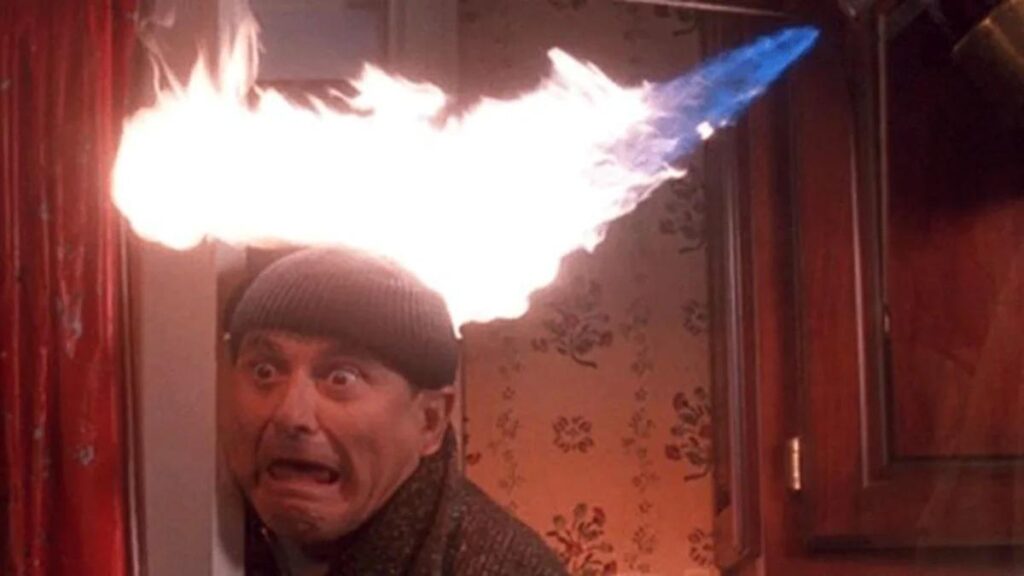
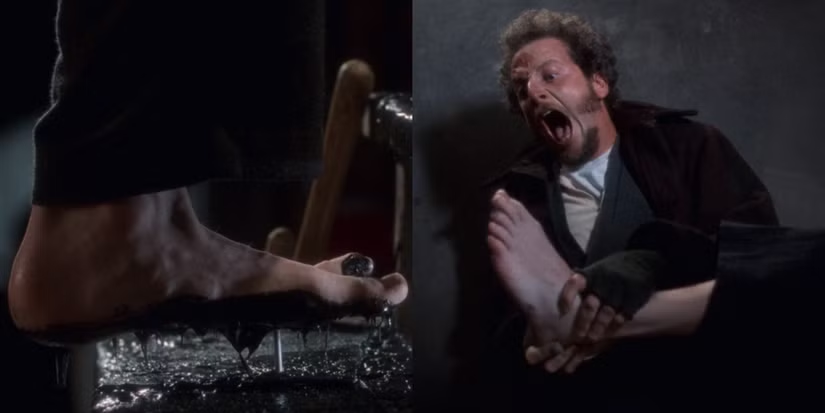
Kevin protects his father’s house with a brutal series of head and foot wounds.
He also makes them look like animals. “Why the hell are you dressed like a chicken?”
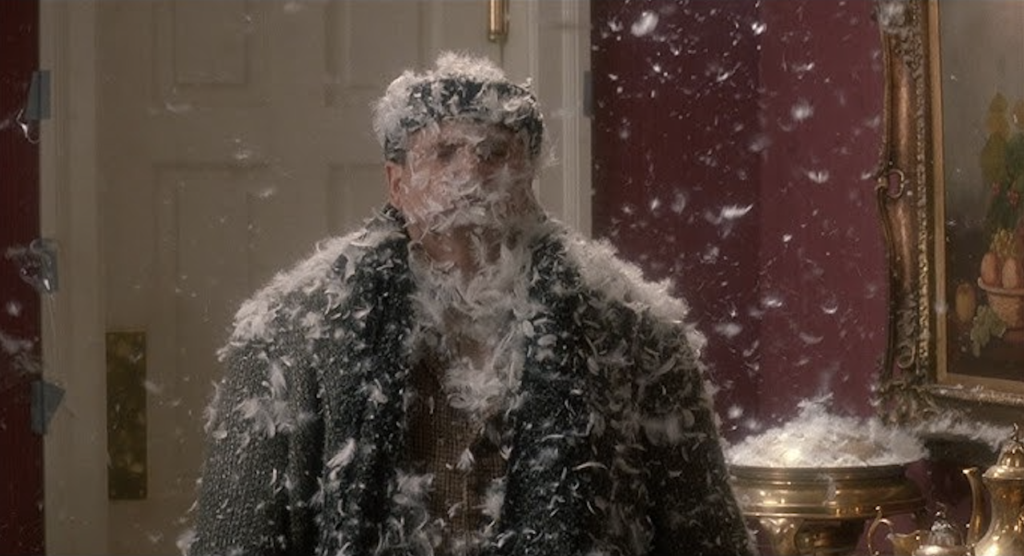
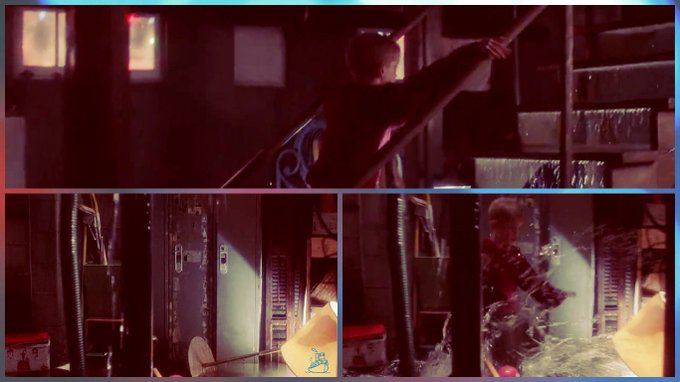
Kevin “ascends” after a water crossing, a flooded basement. We now know everything is about to change.
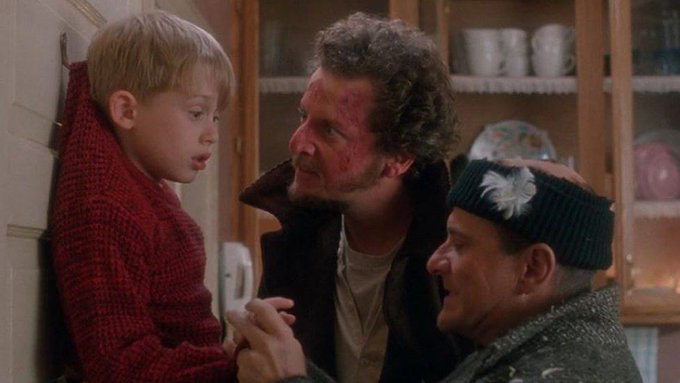
The bad guys hang Kevin on a door (suspended on wood between heaven and earth) and threaten, amongst other things, to “shove a nail through his foot.”
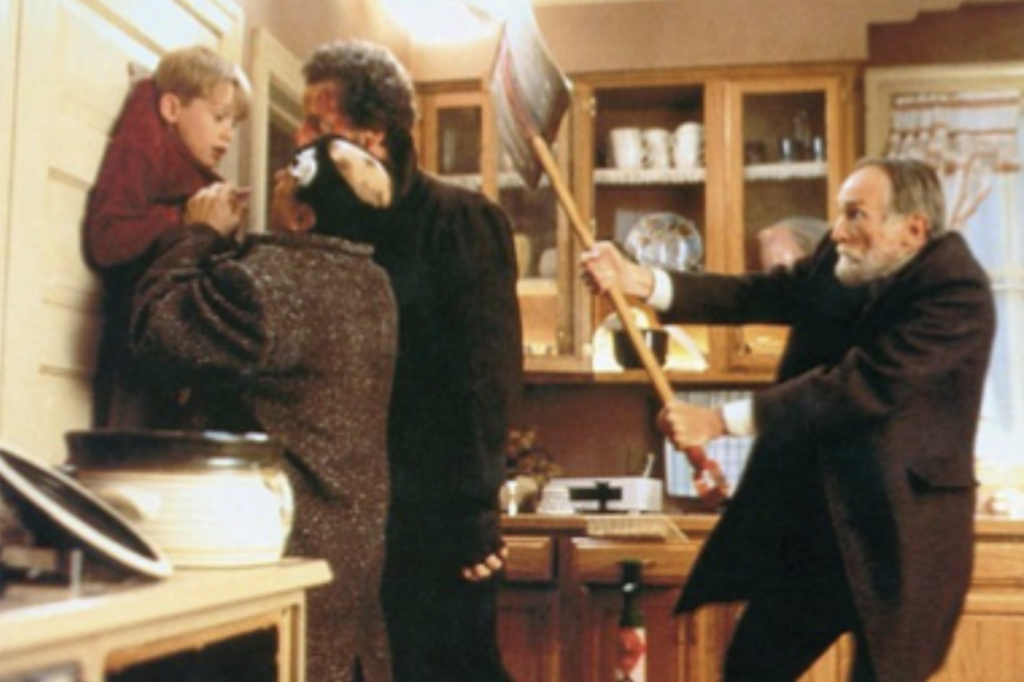
The man with the hand-wound, the one who salts the earth, delivers a final head-wound to rescue Kevin.
And then his hand-wound is gone when he is reunited with his family as baptismal snow falls from above.
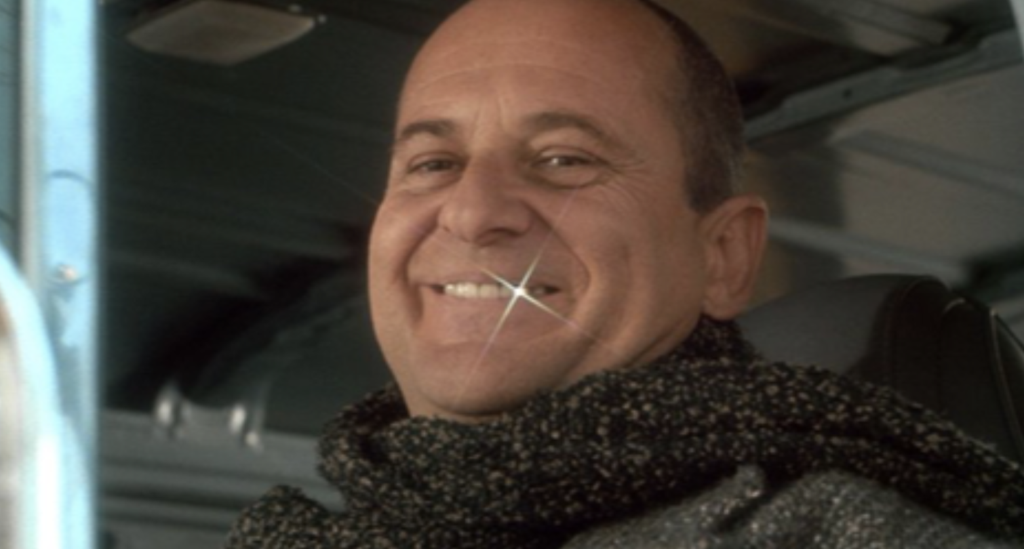
Lastly, Kevin plunders his enemies. At the end of the film, his dad finds Harry’s golden tooth in his foyer.
Brian Moats is Content Director at Theopolis Institute, CEO of Audio Deacon, and Vice President of Little Word. This article was originally a Twitter thread posted in 2023, found HERE.